With the power outages that have occurred in recent months, many customers are planning ahead and buying generators. Find out in this article how to choose a model that will meet your needs. The types of generators, the power required and the maneuvers to be favored during use.
How to better choose your generator? The answers to your questions are here.
TYPES OF GENERATORS
Gasoline generator
This is the most common model that allows efficient use and an interesting capacity. Choose an unleaded fuel with the highest possible octane number and the lowest ethanol level, this will help your generator run smoothly.
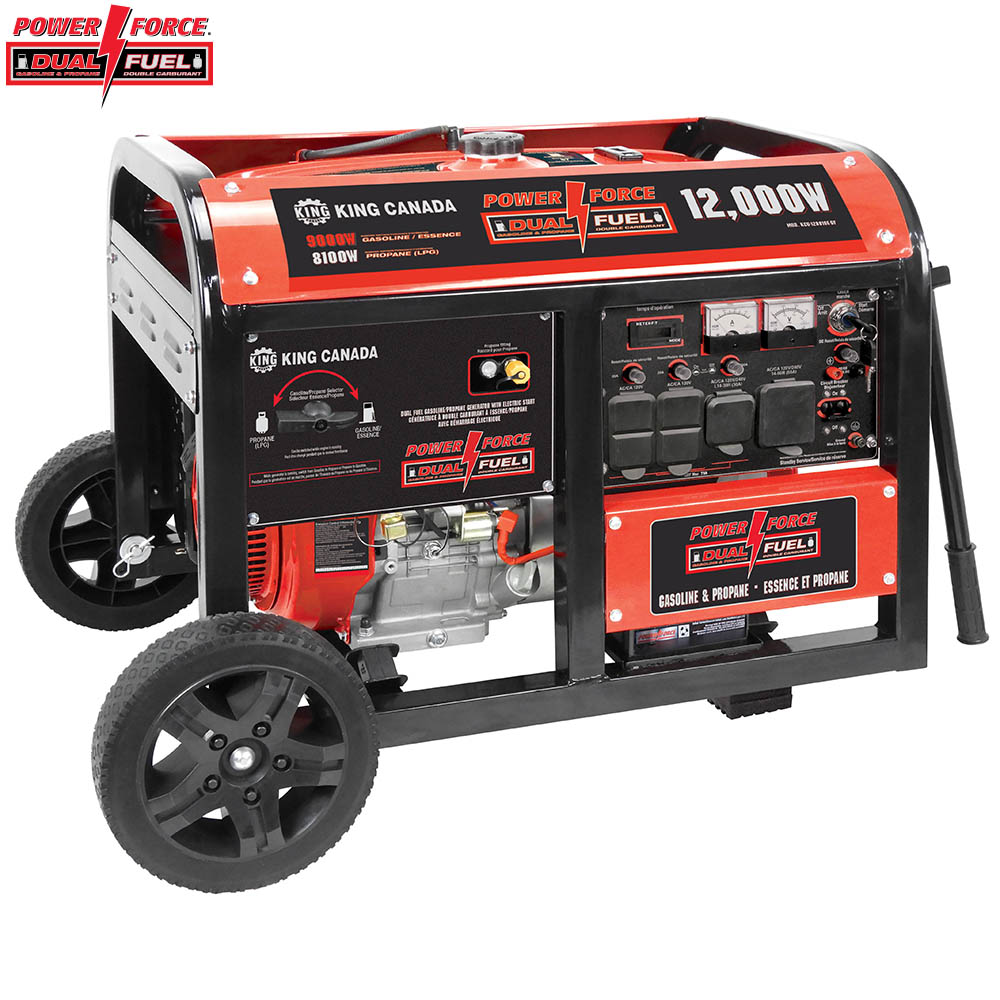
Electric start products with a capacity of 12,000W and more are the most popular at Outils Pierre Berger.
Propane and gasoline generator
An increasingly popular product that allows quick and easy use of both fuel types. However, propane develops less power (about 10-20% less) and over a shorter period when comparing liter for liter with gasoline.
It will therefore be preferable to use the gasoline mode for larger breakdowns.
Inverter generator
This type of generator is designed to supply electricity to units sensitive to current variations, such as televisions and computers. These are often more compact products and not necessarily designed to connect an entire home.
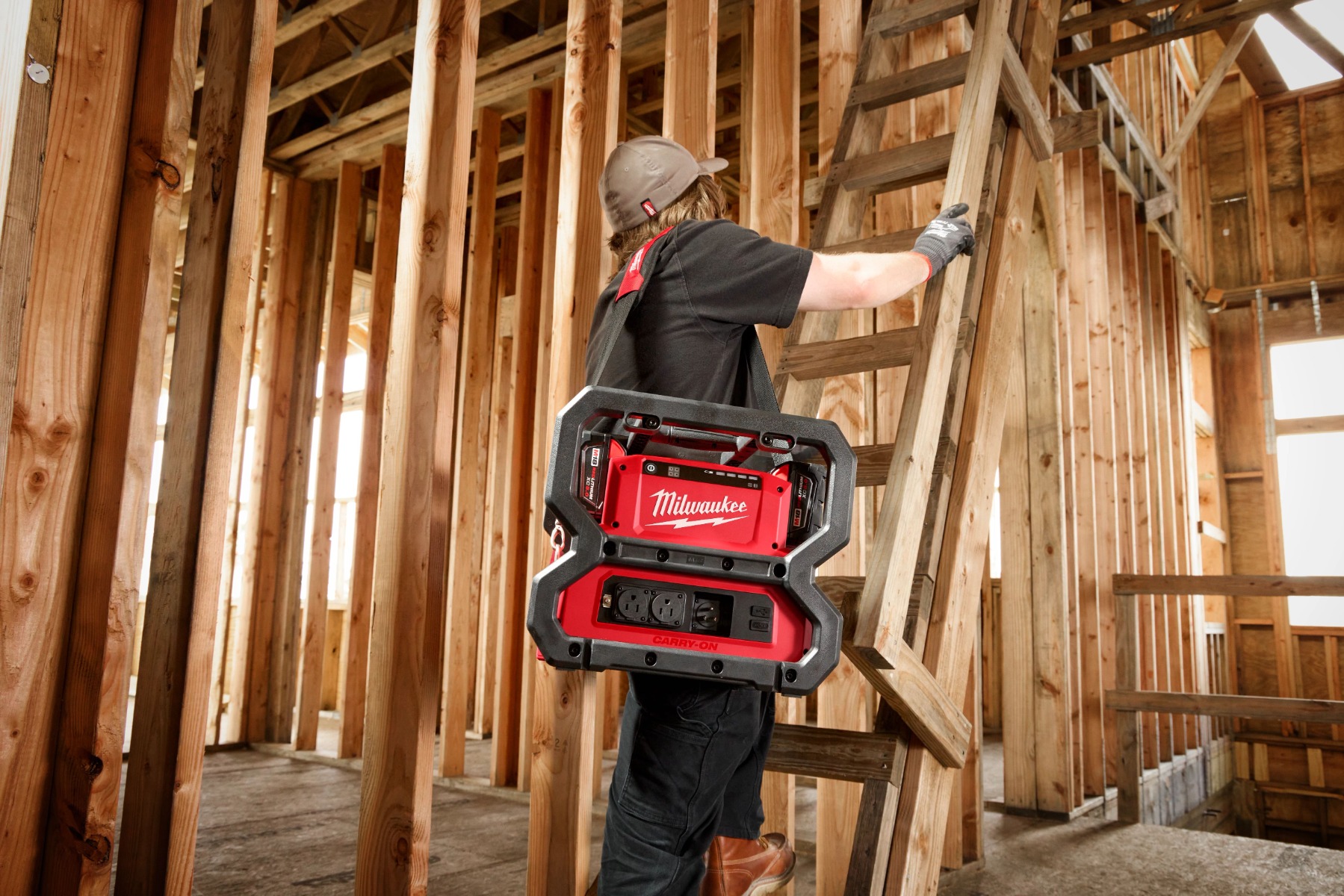
Battery powered generator
These are new products on the market but will certainly gain popularity in the years to come. Our suppliers are trying to develop this type of tool more and more. A good example of innovation in portable products is the Milwaukee 2845-20.
The capacities vary greatly from one product to another but we remain in basic units and these are very energy-intensive products. A fairly large inventory of batteries is therefore necessary. However, maintenance is minimal and these products generally do not produce toxic fumes, so most can be used indoors.
HOW TO CALCULATE THE POWER REQUIRED FOR USING A GENERATOR
In order to select the right generator, you must not only check its amperage capacities according to the connections available on the tool, but also make sure you have enough watts to run all your appliances.
So you need to add up all the watt values of your devices and add 25% headroom. This will make up the difference between the tool's starting power and its continuous operating power. To make your calculations easier, voltage x amperage = power in watts. So 120V x 10A = 1200 Watts.
HOW TO START USING YOUR GENERATOR
We can never say it enough, but it is important to consult your user manual in order to properly maintain your generator and use it safely and efficiently. Here are some important notes though:
- Add your oil before initial start-up. It is usually not provided in the box of your generator. Take a 10W30 4-stroke formula and/or a 5W30 formula for temperatures below -15ºC. An oil change every 100 hours and/or every 6 months is necessary.
- Regular checking of the air filter is also essential to the proper functioning of your tool.
- Be sure to follow the steps in the start-up procedure and consult an electrician for hooking up your home and managing your circuit breakers inside your home.
SEE OUR GENERATORS
Do not hesitate to contact our advisors for more information on our products. Note that we can also provide a delivery rate for all your purchases on our website, including our generators. The best way to get this information is to contact us by phone, even if you are not near one of our branches.